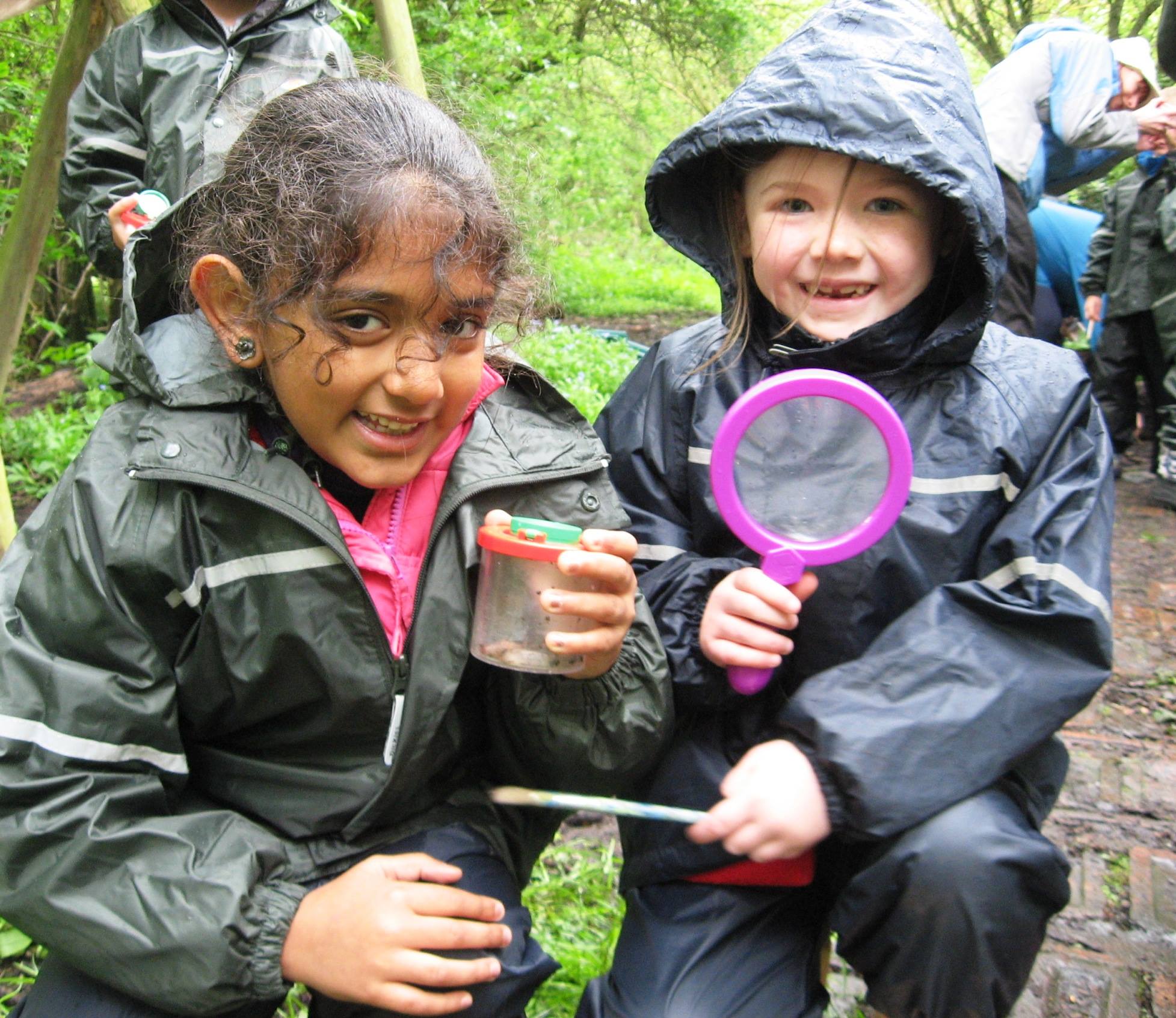
Find your local TCV office and see what activities are running using the map below. Please call the local office to confirm there is space before attending TCV events.

TCV
Connecting people and green spaces
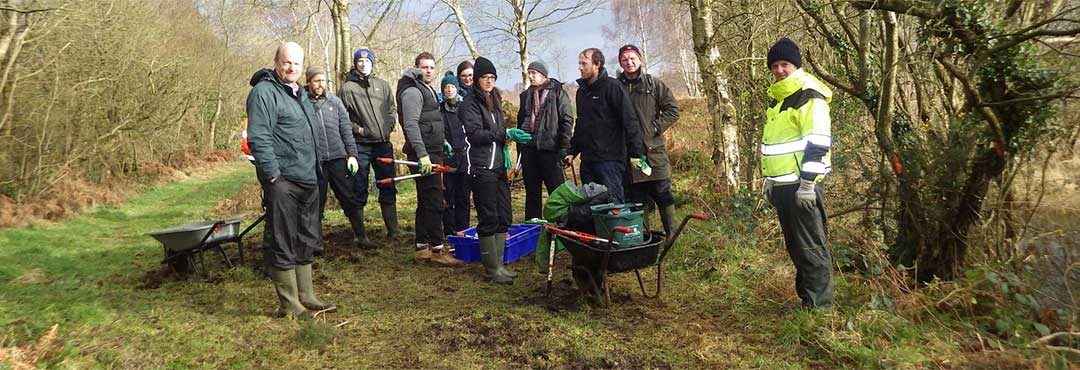
TCV in Northern Ireland
A better environment is at the core of everything The Conservation Volunteers does.
We work to give everyone access to a good quality natural environment where biodiversity is enhanced, and environmental inequalities, along with the social and economic consequences, are minimised.
We also believe that the quality of our natural environment is a powerful driver of health and well-being. Our Green Gyms, a social alternative to conventional gyms, promote better health and well-being.
Where we are - offices and activities
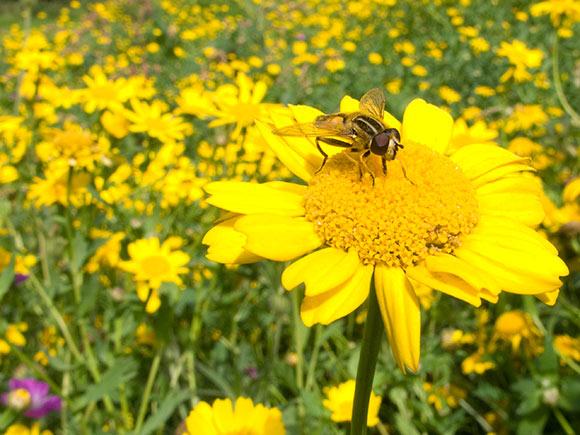
Environment
We dedicate over 30,000 volunteer workdays each year to protecting and improving Northern Ireland’s environment
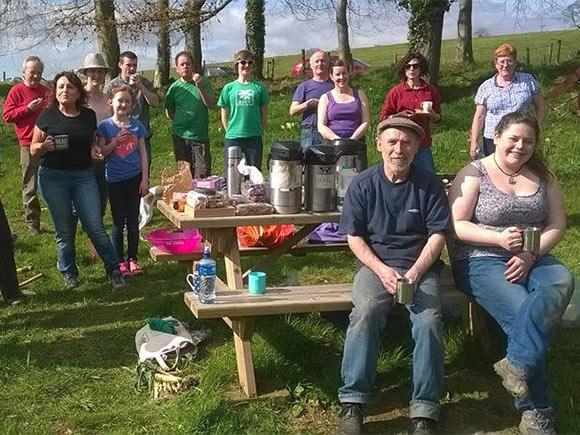
Health & Well-being
Green Gym gets people outdoors, increases physical activity, promotes mental well-being and improves the environment
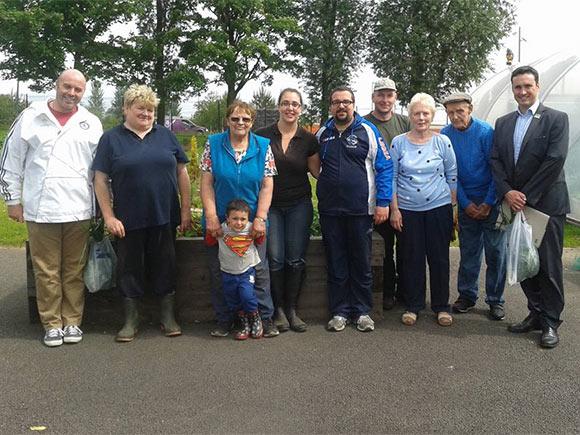
Community
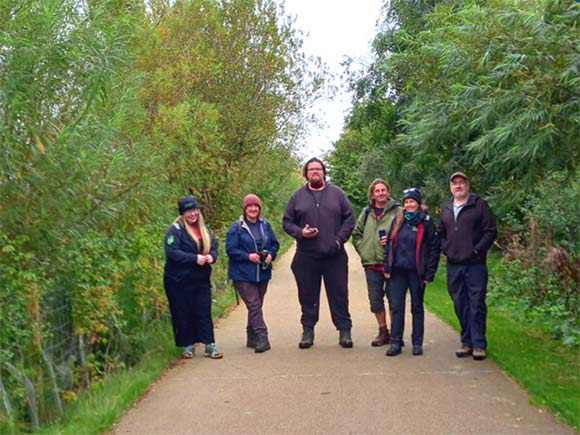
We work with all sections of society to conserve nature and reconnect people with their local, natural environment
Contact TCV in Northern Ireland
The Conservation Volunteers
Beech House
159 Ravenhill Road
BELFAST
BT6 0BP
Email: tcvni@tcv.org.uk
Telephone: 028 9064 5169
Supporters
The Conservation Volunteers in Northern Ireland is able to work with people and communities to transform their health, prospects and outdoor places because of the generous support of many different organisations and individuals – thank you.



 Double your donation – this week only!